Doyin Salami: Nigeria’s richest 1% control nearly half of nation’s wealth
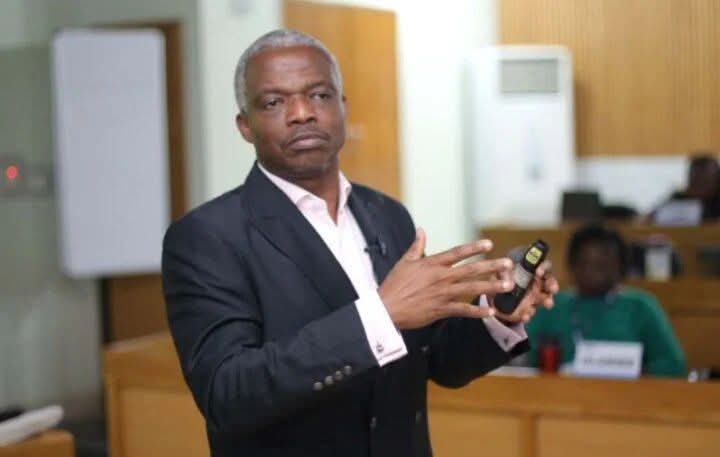
Doyin Salami, economist and chief executive officer (CEO) of KAINOS Edge Consulting Ltd, says Nigeria’s richest 1 percent now control 44 percent of the country’s total wealth — up from about 25 percent two decades ago.
Speaking on Wednesday at Anchoria’s The Quorum Investor Forum, Salami said the widening wealth gap underscores the need for inclusive economic growth.
“I was astonished to discover that the top 1 percent, almost 20 years ago, controlled about 25 percent of total wealth. Today it’s 44 percent,” he said.
“In other words, the first thing that has happened over the last two decades or thereabout is an upward concentration of wealth.”
Salami said reversing the trend would require policies that unlock private capital, accelerate industrialisation, and create jobs instead of relying mainly on government spending.
He said Nigeria’s shrinking fiscal capacity means the government no longer has the resources to finance the country’s growing development needs.
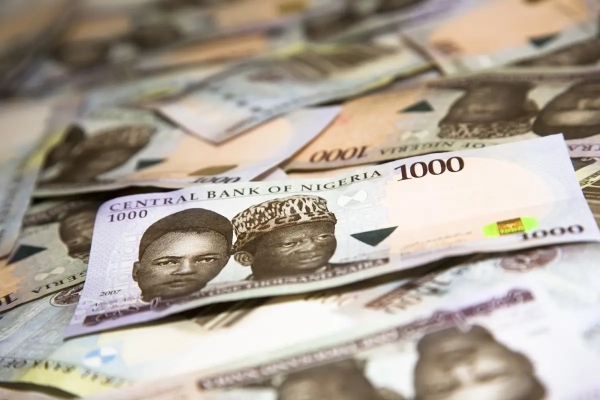
According to Salami, while federal government revenue has increased in naira terms over the years, its value has fallen sharply in dollar terms because of exchange rate depreciation.
He said government revenue, which was equivalent to about $72 billion in 2011, declined to about $16 billion to $17 billion in 2025 after conversion at prevailing exchange rates — describing the slide as “income decimation”.
Salami said the country’s growing population and infrastructure deficit make it imperative to mobilise private investment.
While commending the federal government’s tax reforms, he warned that the measures would not immediately provide the fiscal space needed to meet Nigeria’s development aspirations.
“Don’t throw away what the government is doing in terms of tax reforms, but it’s not going to immediately give you the fiscal space that you need,” the economist said.
Referencing strategies from other nations, the CEO cited Vietnam’s reported plan to raise about $1 trillion from international capital markets to finance infrastructure as an example of how countries are leveraging private capital for development.
‘WE’VE GOT A BIG PROBLEM IF INDUSTRIES DON’T THRIVE’
Salami also warned that Nigeria’s prolonged de-industrialisation is undermining job creation and slowing improvements in living standards.
He said the industrial sector’s contribution to Nigeria’s output has fallen from about 60 percent in the early 1980s to between 16 percent and 17 percent.
The economist said industrialisation is critical because it transforms agricultural and mineral resources into higher-value products, expands exports and creates jobs.
“If industry, which can transform agriculture and mining into jobs, output, exports and a higher level of living standards for the people, is not thriving, then we’ve got a big problem on our hands,” Salami said.
He noted that attracting private capital into productive sectors remains the most viable path to reversing the decline and delivering broad-based economic growth.
The World Bank recently said Nigeria’s poverty rate rose to 63 percent in 2025 from 61 percent in 2024 and 56 percent in 2023, attributing the increase to persistently high inflation and weak household income growth.
At the beginning of the year, PricewaterhouseCoopers (PwC) projected that “no fewer than” 141 million Nigerians could be living in poverty this year if living costs continue to outpace income growth.
Doyin Salami
nigeria
PricewaterhouseCoopers
World Bank